Civil War through Reconstruction, 1861 through 1874
Time Period

Exhibit
These entries provide information on some of the larger themes illustrating the Civil War in Arkansas. “Civil War through Reconstruction” constitutes the Encyclopedia of Arkansas’s main overview of the time period in question, while “Civil War Timeline” offers a handy chart of major developments over the four years of warfare. Other entries tackle specific aspects of the time period, while the entry on military event terminology will serve as a handy guide for those delving into the nature of specific events and how exactly as “battle” is distinguished from a “skirmish.”
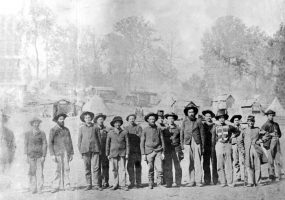



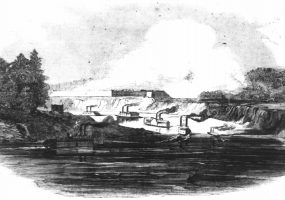





Four major campaigns took place in Arkansas: Pea Ridge, Prairie Grove, Little Rock, and Red River. The Arkansas component of the Red River Campaign was the Camden Expedition; both entries are included here. Campaigns constituted major movements of troops across broad areas with a specific goal in mind, such as the capture of a specific city or territory. Each of these campaign entries presents the broad narrative of the events, while the related “timeline” entries offer handy charts with the related events presented in chronological order and linked to their own separate entries.

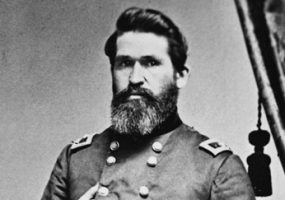


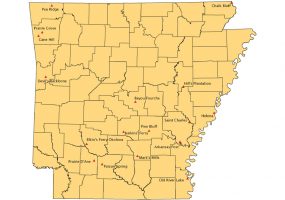
The National Park Service recognizes more than 770 offensive operations in Arkansas during the Civil War, ranging from pitched battles involving thousands of troops to skirmishes fought among small units. The list below includes all those designated as “battles” as well as a number of smaller events that were strategically significant in their own right.



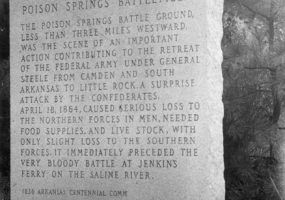

While there were many battles and skirmishes fought in Arkansas, most of the soldiers’ activities involved scouting, reconnaissance missions and expeditions against enemy forces. These may not have been as strategically significant as some of the larger-scale military events, but these smaller events show how control over territory was maintained once it had been captured. They also provide an insight into the more typical life of the average Civil War soldier.
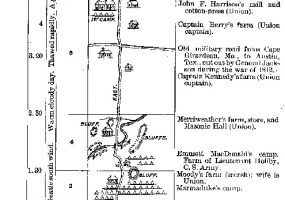

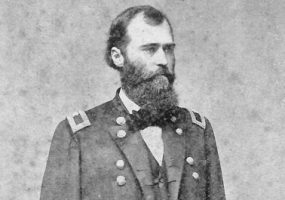
Around 60,000 white Arkansans served in the Confederate army during the Civil War, including in the units profiled below. Some of these units served within the state, while others served in various campaigns across the Confederacy.

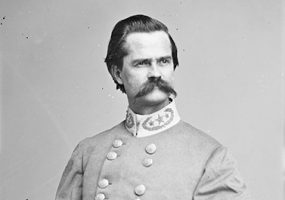


As many as 10,000 white and more than 5,500 Black Arkansans fought for the Union in the Civil War; only Tennessee in the seceded states had more native sons stay loyal to the U.S. Recruitment for these regiments was concentrated in the hill country of Arkansas, where white residents often lived on smaller farms and were not invested in the slave regime of the plantation elite, and in the Delta region of eastern Arkansas, where large numbers of the enslaved were, upon obtaining their liberty, often eager to contribute to the cause of the United States.
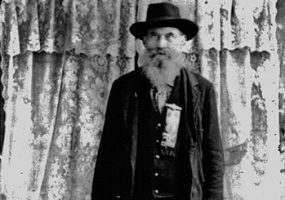
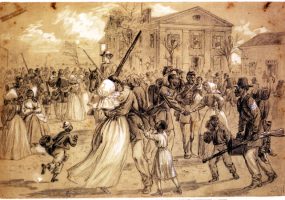

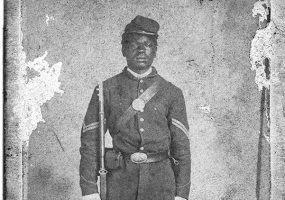
The Civil War in Arkansas saw a variety of combatants beyond conventional Confederate and Union troops. Some of these were “irregular” or guerrilla bands serving one side or another, or simply taking advantage of the breakdown of law and order. Native Americans in other states contributed to both sides of the Civil War.
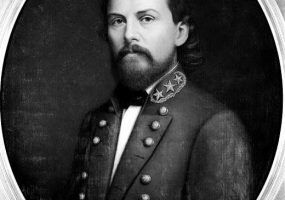
Arkansas seceded from the Union in May 1861 and a variety of soldiers and civilians served in the armed forces or otherwise resisted the Federal forces.

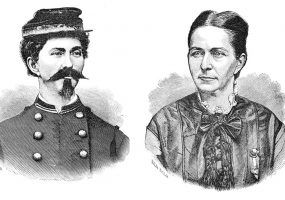



Home-grown Union soldiers and men from other states served in Arkansas and fought to end the rebellion. Some of them are listed below.
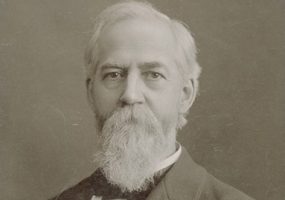


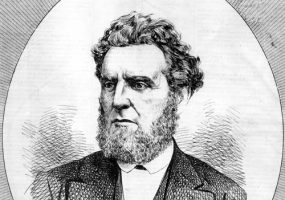

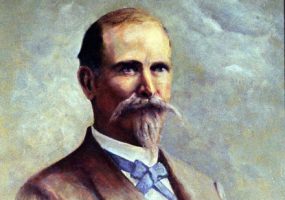
Politics in Arkansas were tumultuous in the Civil War era, with not only separate governments representing the Unionist and Confederate factions, but also divisions within the two factions on how best to proceed with the war effort and maintain control over, or provide services to, a suffering civilian population.
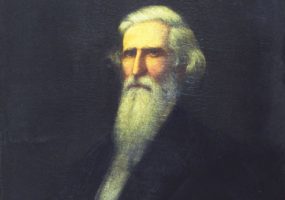


Arkansas’s waterways were contested during the Civil War, with opposing forces clashing along the Arkansas, White, and Mississippi rivers using gunboats and steamboats. Control of the Mississippi was vital, as whoever could exert control over it had a tremendous advantage in the transportation of goods and personnel through the heart of the Confederacy, but the Arkansas River was also a lifeline to points further west, while White River connected many strategically important communities in eastern Arkansas.


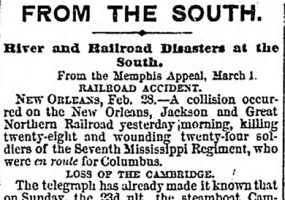


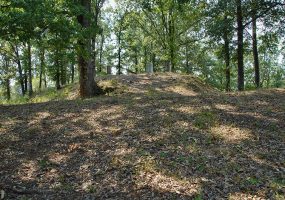
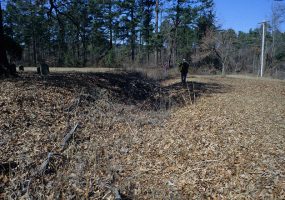
Both Confederate and Union forces built systems of earthworks to defend their bases from enemy attack. The remains of some of these can still be found on the landscape even today.



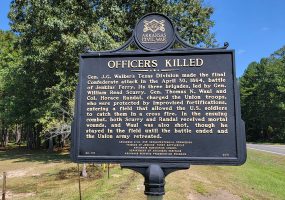
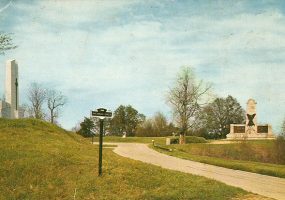
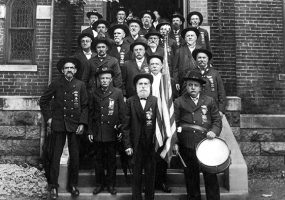
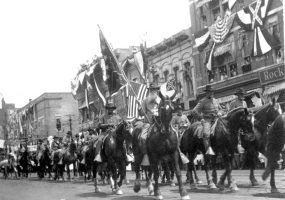
The Civil War remains one of the central events in American history, and the debate over how it should be remembered continues in the twenty-first century. Immediately following the war, fraternal organizations such as the United Confederate Veterans and the Grand Army of the Republic were formed, and soldiers from both sides held reunions to remember the events of the war. Later, descendants of these veterans formed their own organizations. The United Daughters of the Confederacy and the Sons of Confederate Veterans began promoting their own version of history, one that sought to reinterpret the loss of the South, or what is now known as the “Lost Cause” myth. Such groups have installed numerous memorials to the Confederacy across Arkansas, although there also exist a handful of monuments recognizing Union soldiers.




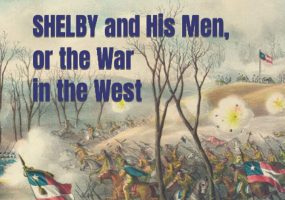
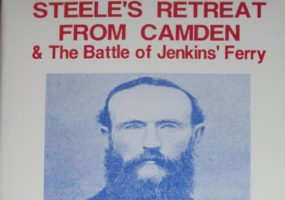
Perhaps no event in American history has inspired the writing of so many books, fiction and non-fiction, as the Civil War, in addition to numerous movies and television series. The War of the Rebellion constitutes a massive series of books collecting all the official records from both sides of the Civil War. Numerous memoirs of the military and civilian experience in Arkansas have been published, as have several influential later studies of the war. The Civil War has also inspired the writing of historical fiction set in Arkansas. Finally, the television series The Blue and the Gray was largely filmed in Arkansas but set elsewhere, while the low-budget Wishbone Cutter constitutes something of a horror movie set in the immediate aftermath of the war.









"*" indicates required fields